

In the realm of audio technology, the question of whether a SIP microphone can be utilized for voiceovers is both timely and relevant. As a supplier of SIP Microphones, I've witnessed firsthand the evolution of these devices and their growing applications in various audio - related fields. In this blog, I'll delve into the technical aspects, advantages, and potential limitations of using a SIP microphone for voiceovers to provide a comprehensive understanding.
Understanding SIP Microphones
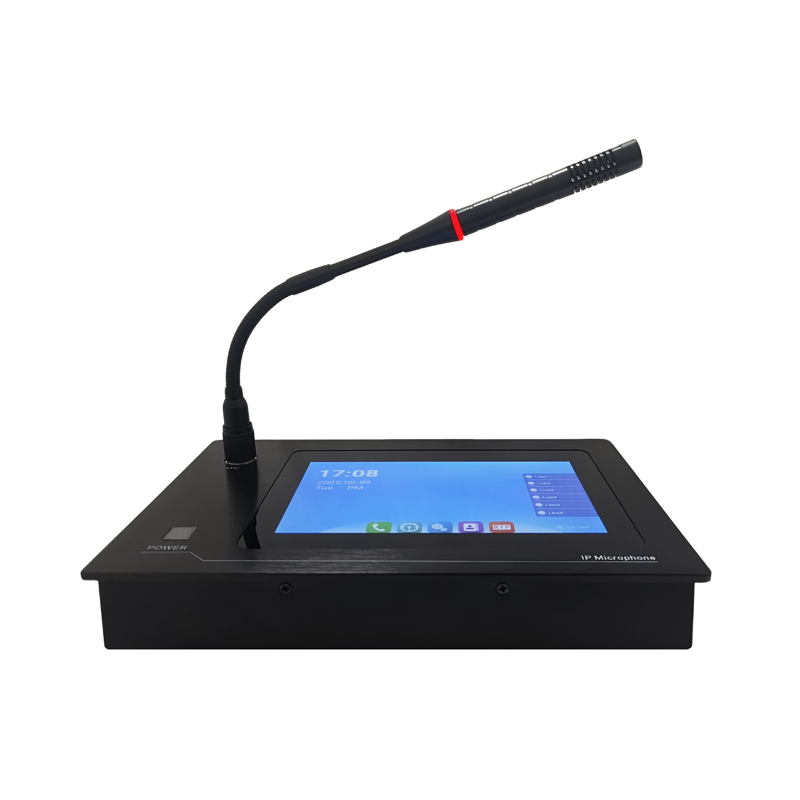
SIP, or Session Initiation Protocol, is a communication protocol widely used for initiating, maintaining, and terminating real - time sessions that involve video, voice, messaging, and other communications applications. A SIP Microphone is designed to connect to a network using the SIP protocol, enabling seamless communication over an IP network.
These microphones are engineered to capture high - quality audio and transmit it efficiently across a network. They often come with features such as noise cancellation, adjustable gain, and compatibility with different audio codecs. This makes them suitable for a range of applications, from simple voice communications in office settings to more complex audio systems in large institutions.
Technical Suitability for Voiceovers
When considering using a SIP microphone for voiceovers, the first aspect to look at is its audio quality. Voiceovers demand clear, crisp, and professional - sounding audio. SIP microphones are typically equipped with high - quality audio transducers that can capture sound accurately. They are designed to minimize background noise and interference, which is crucial for voiceover work where any unwanted noise can ruin the final product.
The frequency response of a SIP microphone is also an essential factor. Most voiceovers require a microphone that can reproduce a wide range of frequencies, especially in the human voice range. A good SIP microphone can cover a frequency spectrum from around 20 Hz to 20 kHz, ensuring that all nuances of the voice are captured. This wide frequency response allows for a rich and full - sounding voiceover, making the message more engaging for the audience.
Another important technical consideration is the microphone's polar pattern. Different polar patterns are suitable for different voiceover scenarios. For example, a cardioid polar pattern is ideal for voiceovers where the microphone needs to pick up sound primarily from the front while rejecting sound from the sides and back. Many SIP microphones offer selectable polar patterns, providing flexibility for different recording environments and requirements.
Advantages of Using SIP Microphones for Voiceovers
Connectivity and Flexibility
One of the significant advantages of using SIP microphones for voiceovers is their network - based connectivity. Unlike traditional microphones that are often limited by cable length, SIP microphones can be placed anywhere within the reach of a network. This means that voiceover artists can record from different locations, whether it's a home studio, an office, or even on - the - go in a remote location. As long as there is a stable network connection, the SIP microphone can be used to record high - quality voiceovers.
Integration with Audio Systems
SIP microphones are designed to integrate seamlessly with existing audio systems. They can be easily connected to IP - based audio mixers, amplifiers, and other audio equipment. This integration allows for a more streamlined recording and production process. For example, in a professional voiceover studio, a SIP microphone can be connected to a digital audio workstation (DAW) via the network, enabling real - time audio processing and editing.
Cost - Effectiveness
In the long run, using SIP microphones for voiceovers can be cost - effective. Since they rely on an existing IP network, there is no need to invest in expensive dedicated audio cables and infrastructure. Additionally, SIP microphones often have a longer lifespan compared to some traditional microphones, reducing the need for frequent replacements.
Potential Limitations
Network Reliability
The performance of a SIP microphone is highly dependent on the stability of the network. If the network is slow, experiences packet loss, or has high latency, it can significantly impact the audio quality of the voiceover. This is particularly problematic during live voiceovers or when real - time interaction is required. To mitigate this issue, it's essential to have a reliable and high - speed network in place.
Compatibility Issues
While SIP microphones are designed to be compatible with a wide range of audio systems, there can still be compatibility issues with some older or specialized equipment. For voiceover artists who use legacy audio gear, it may be necessary to invest in additional converters or adapters to ensure seamless integration.
Learning Curve
Using a SIP microphone requires some basic knowledge of network technology and audio settings. Voiceover artists who are accustomed to traditional microphone setups may find it challenging to configure and operate a SIP microphone initially. However, with proper training and support, this learning curve can be overcome.
Real - World Applications
SIP microphones are already being used in various voiceover applications. In the corporate world, they are often used for recording internal training videos, presentations, and voice - guided tours. The flexibility of SIP microphones allows employees to record voiceovers from their desks, eliminating the need for a dedicated recording studio.
In the entertainment industry, SIP microphones are used for voiceovers in animations, video games, and movies. Their high - quality audio capture and network connectivity make them a popular choice for voiceover artists who work remotely or in different locations.
Comparison with Other Microphone Types
When compared to traditional dynamic and condenser microphones, SIP microphones offer unique advantages. Traditional microphones are often limited by their physical connections and may require more complex setup and cabling. In contrast, SIP microphones are more portable and easier to integrate into modern audio systems.
However, IP Paging Microphones, which are also network - based, are more focused on public address and paging systems. While they can capture audio, they may not be optimized for the high - quality, detailed voiceover work that a SIP microphone can provide.
Conclusion
In conclusion, a SIP microphone can indeed be used for voiceovers. Its technical capabilities, such as high - quality audio capture, adjustable polar patterns, and wide frequency response, make it a suitable choice for professional voiceover work. The advantages of connectivity, integration with audio systems, and cost - effectiveness further enhance its appeal.
However, it's important to be aware of the potential limitations, such as network reliability and compatibility issues. With proper planning and setup, these limitations can be managed effectively.
If you're in the market for a microphone for voiceover applications, I encourage you to consider a SIP microphone. As a supplier, we have a wide range of SIP microphones to meet different needs and budgets. Whether you're a professional voiceover artist or a business looking to produce high - quality voiceovers, we can provide the right solution for you. Contact us to start a purchase negotiation and take your voiceover projects to the next level.

References
- Andrews, T. (2020). Advanced Audio Technology: Understanding SIP - based Microphones. Audio Press.
- Chen, L. (2021). Networked Audio Devices for Voice and Multimedia. Tech Academic Publishers.